
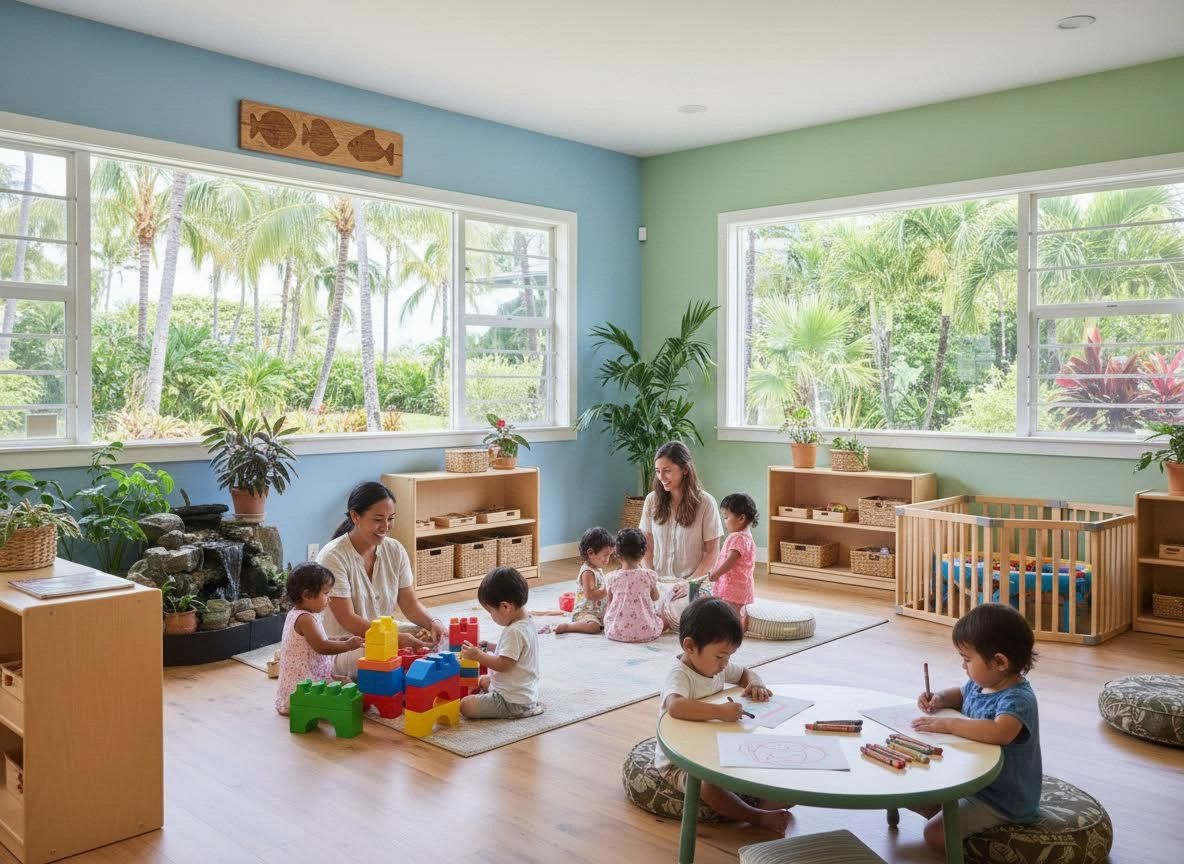
Island environments present unique challenges for maintaining optimal indoor air quality, especially in high-occupancy settings like schools and daycares. The health and well-being of our keiki depend on clean breathing spaces, making mold prevention a critical concern for facility managers and parents alike. At AirCare Hawaii, we understand the specific environmental factors at play. Ensuring a healthy learning and play environment requires vigilance and a proactive approach to air quality management.
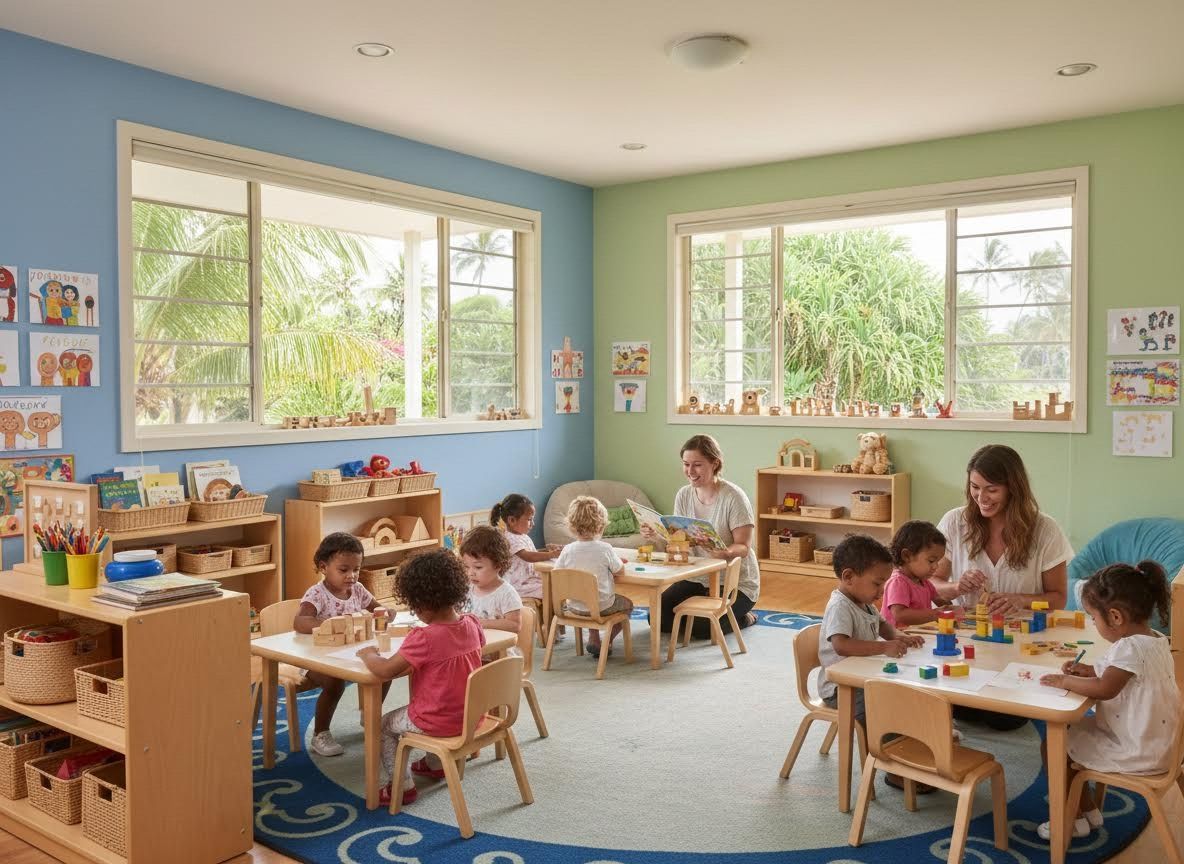
Understanding the Island Environment and High Occupancy Risks
Hawaii's tropical climate, characterized by high humidity and consistent warmth, creates an ideal breeding ground for mold. In high-occupancy facilities such as schools and daycares, these conditions are often exacerbated. Increased foot traffic brings in more moisture, and a greater number of people generate additional humidity through breathing and activities. Coupled with often older infrastructure or air conditioning systems that struggle with humidity control, these factors conspire to make mold outbreaks a perpetual risk. Poorly maintained ventilation systems can trap humid air and spores, circulating them throughout the building rather than expelling them. Recognizing these unique vulnerabilities is the first step in effective prevention.
The Impact of Mold on Children's Health and Learning
Children, with their developing immune systems, are particularly susceptible to the adverse health effects of mold exposure. Symptoms can range from mild allergic reactions like sneezing, runny nose, and skin rashes to more severe respiratory issues, including asthma attacks and chronic bronchitis. Persistent exposure to poor indoor air quality, especially from mold, can also lead to fatigue, headaches, and concentration difficulties, directly impacting a child's ability to learn and thrive in their educational environment. Beyond the physical symptoms, the presence of mold often indicates underlying moisture problems that can degrade building materials and create an unhealthy, uninviting atmosphere for students and staff alike.
Proactive Solutions for Superior Indoor Air Quality
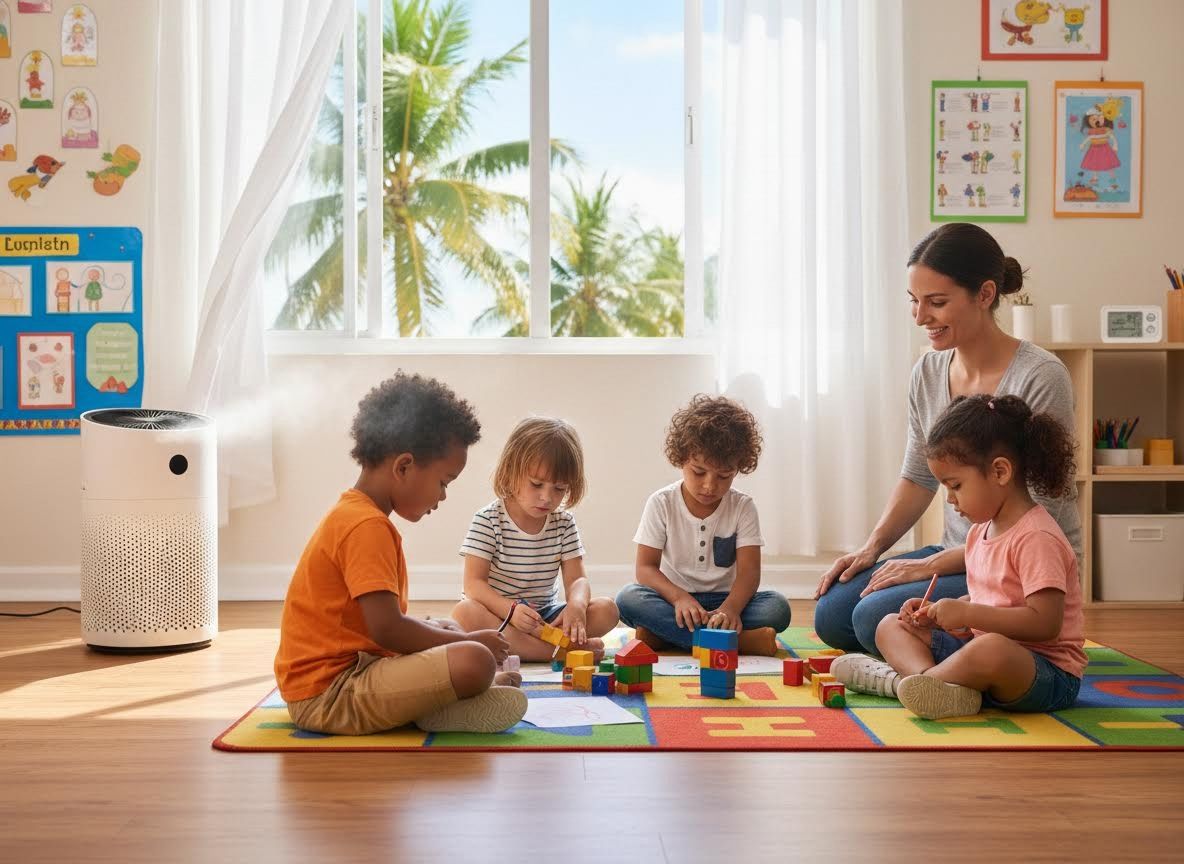
Maintaining excellent indoor air quality in these facilities is a multi-faceted approach. This includes ensuring proper ventilation, controlling indoor humidity levels, and promptly addressing any water leaks or condensation. Regular maintenance, such as professional air duct cleaning, is essential to remove accumulated dust, allergens, and potential mold spores from circulation. If water damage occurs, engaging a qualified restoration contractor immediately is critical to prevent mold growth. Once structural issues are handled by a local home restoration company, a thorough mold inspection and air purification strategy become paramount to guarantee truly clean air. Proactive measures are always more effective than reactive cleanups, protecting health and property in the long run.
Ensuring a clean and healthy indoor environment for our children in schools and daycares is not just a responsibility, but a commitment to their future well-being and academic success. By proactively addressing the unique challenges of our island climate and maintaining optimal indoor air quality, facilities can prevent costly mold issues and safeguard health. To learn more about comprehensive solutions for your facility's air quality, including mold inspections and air purification, reach out to the team at AirCare Hawaii.