
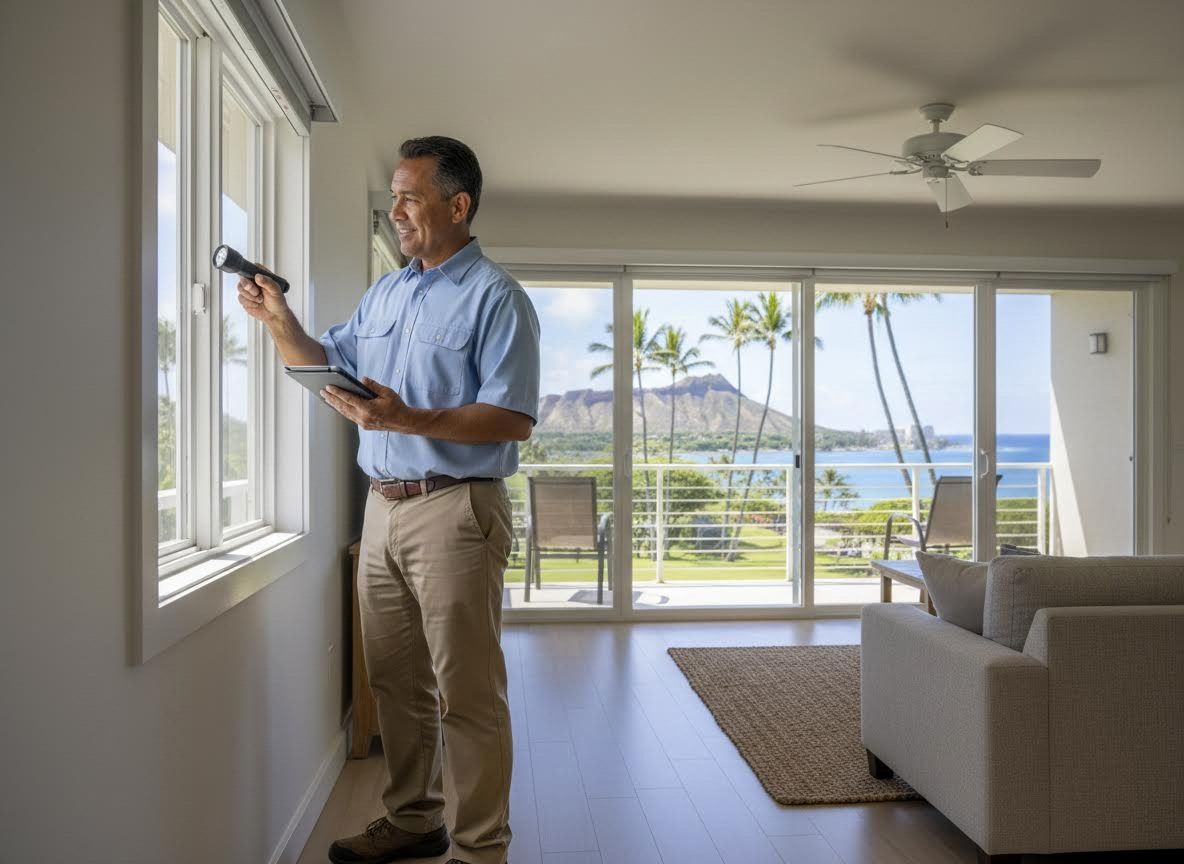
Kona storms bring a unique beauty and power to Oahu, but their heavy rains can also bring significant challenges, particularly in the form of water hazards within our homes. Protecting your family’s health and your property requires proactive steps after such events. As AirCare Hawaii, your trusted family-owned solution, we understand the importance of a healthy living environment, and that starts with thorough post-storm inspections to prevent hidden dangers from escalating.
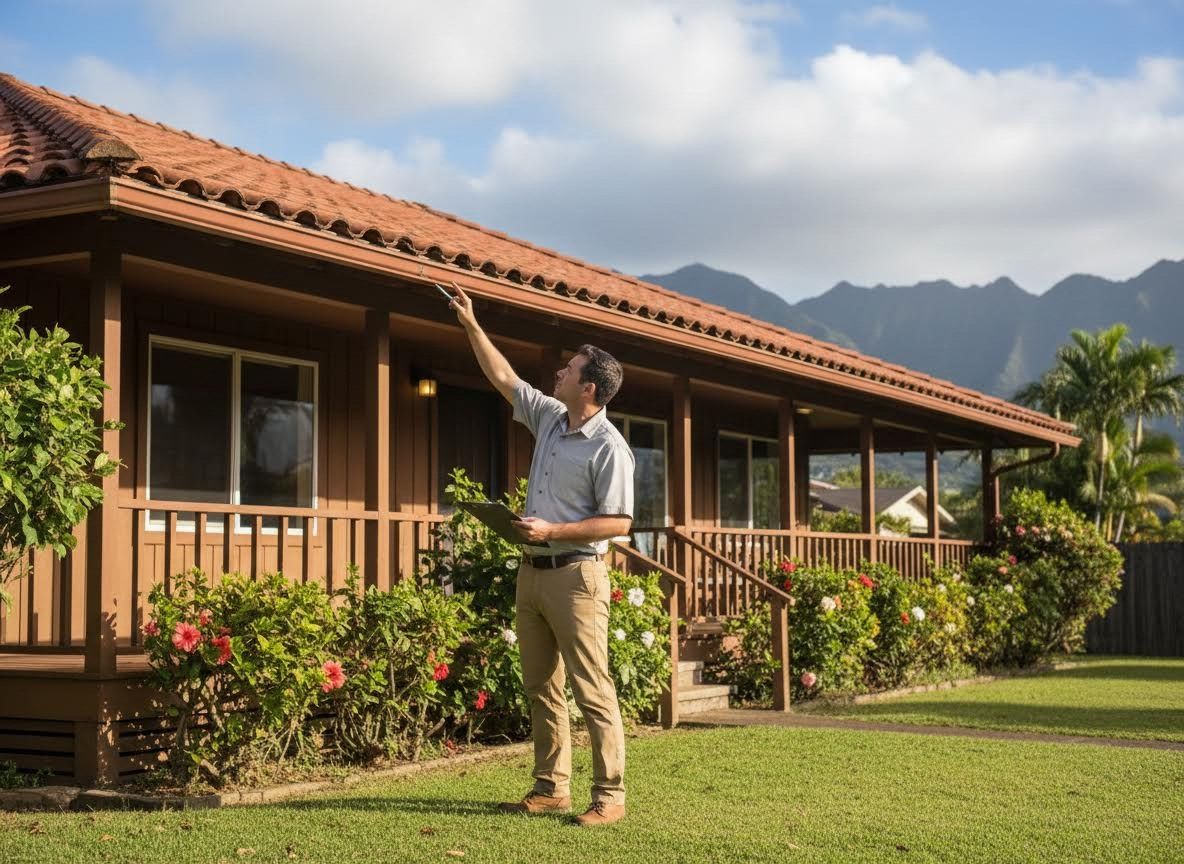
Step 1: Exterior Scan – Your Home's First Line of Defense
After a heavy downpour, begin your inspection outside. Check your gutters and downspouts to ensure they are clear of debris and directing water away from your foundation. Clogged gutters can cause water to overflow and seep into your roof or walls, leading to leaks inside. Inspect your roof for any displaced shingles, cracks, or pooling water that could indicate potential entry points for moisture. Also, observe the ground around your home; look for areas where water might be pooling against the foundation, as this can lead to seepage into basements or crawl spaces. Effective drainage is paramount in preventing water damage.
Step 2: Indoor Vigilance – Look for the Silent Signs
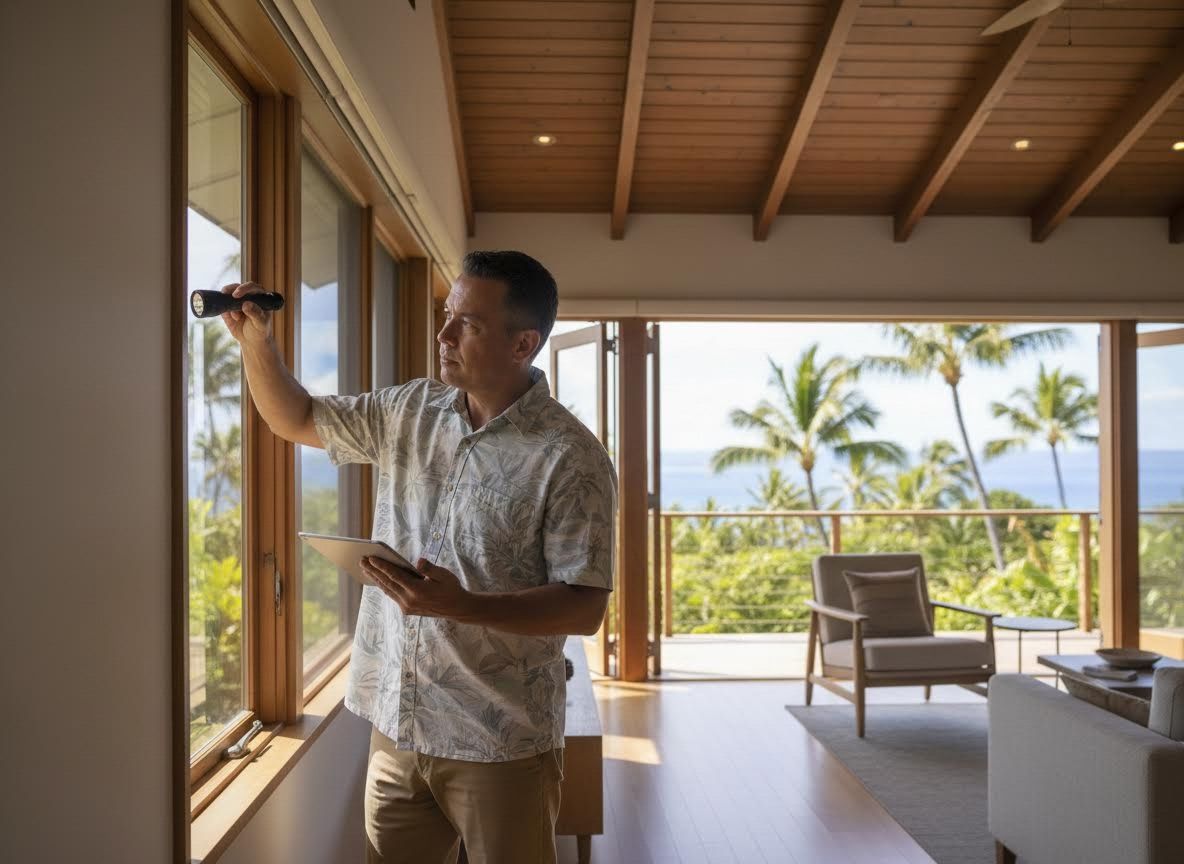
Next, move your inspection indoors. Systematically check ceilings, walls, and floors for any signs of water intrusion. Look for discoloration, damp spots, peeling paint, or bulging areas. Even small, seemingly insignificant stains can indicate a persistent leak that, over time, can lead to significant damage and mold growth. Pay close attention to areas around windows and doors, as seals can degrade and allow water to penetrate. Don't forget to check basements, attics, and crawl spaces for any dampness or musty odors, which are classic indicators of hidden moisture issues.
Step 3: Inspect Your HVAC System and Ventilation
Your home's heating, ventilation, and air conditioning (HVAC) system is crucial for maintaining comfortable temperatures and good air circulation, but it can also be vulnerable to storm damage. Check your outdoor unit for any debris or physical damage. More importantly, ensure that indoor vents and air ducts haven't been exposed to moisture. Water intrusion into your ductwork can create an ideal breeding ground for mold and mildew, leading to compromised indoor air quality and potential respiratory issues for your family. A properly functioning ventilation system helps dry out residual moisture and prevents stagnant, humid conditions that encourage mold.
Step 4: Addressing Moisture and the Threat of Mold
Once you’ve identified potential problem areas, addressing them swiftly is crucial. Immediate drying can prevent secondary damage. For significant water intrusions, a professional restoration contractor might be necessary to handle structural repairs. However, even with these efforts, the invisible threat of mold growth and compromised indoor air quality remains. A local home restoration company like AirCare Hawaii understands that comprehensive recovery extends to the air you breathe. We work to ensure that after any water event, the environment inside your home is clean and healthy.
Keeping Your Home a Healthy Sanctuary
Following these post-storm steps is an investment in your family's health and your home's longevity. By taking proactive measures, you can prevent minor issues from becoming major problems, ensuring your home remains a safe and healthy environment. AirCare Hawaii is dedicated to helping Oahu families achieve superior indoor air quality through our specialized services, providing peace of mind after any weather event. For expert guidance on maintaining a healthy home environment, learn more by contacting us today.