
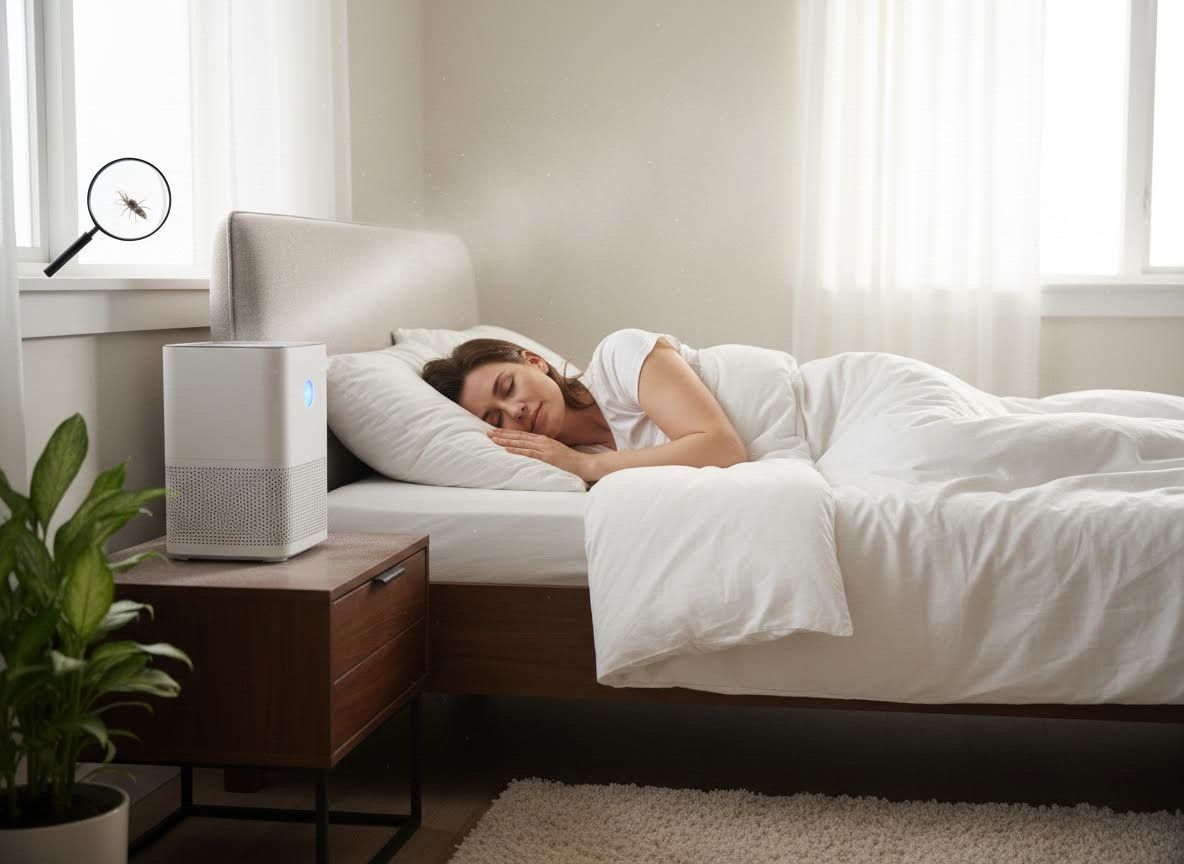
It’s no secret that a good night's sleep is fundamental to our health and well-being, yet many factors can disrupt this vital process. One often-overlooked element is the air we breathe in our homes, especially in our bedrooms. The quality of your indoor air plays a significant role in how well you rest, and understanding this connection is the first step toward achieving truly restorative sleep. Since 1989, AirCare Hawaii has been a trusted family-owned partner, dedicated to ensuring healthier indoor environments across Oahu.
The Invisible Guests Affecting Your Slumber
Our homes are not sterile environments; they are living spaces filled with various particles that become invisible guests in our air. Common pollutants like dust mites, pet dander, pollen, and even microscopic mold spores circulate freely, often settling in our bedding and carpets. As we sleep, these particles enter our respiratory systems, leading to irritation, congestion, coughing, and sneezing. These seemingly minor discomforts can significantly disrupt sleep patterns, making it difficult to fall asleep, stay asleep, or achieve the deep, restorative stages of rest.
More Than Just Sniffles: The Deeper Impact on Restful Nights
The consequences of poor indoor air quality extend beyond simple allergic reactions. Persistent exposure to pollutants can stress the body, disrupting its natural sleep architecture and leading to fragmented sleep. Volatile Organic Compounds (VOCs) released from common household items like cleaning products, paints, or new furniture can cause headaches, dizziness, or respiratory irritation, further diminishing sleep quality. Over time, this can result in chronic fatigue, reduced cognitive function, and a weakened immune system, underscoring the critical need for a truly clean and healthy sleeping environment.
Crafting a Pristine Sleep Haven
Creating a bedroom environment conducive to healthy breathing is essential for improving sleep. Start with regular cleaning, including frequent dusting, vacuuming with a HEPA-filtered vacuum, and washing bedding in hot water. Ensure proper ventilation by opening windows when possible or using exhaust fans. Maintaining optimal indoor humidity levels, ideally between 30-50%, can also deter mold and dust mite growth. Integrating high-efficiency filters into your HVAC system and considering specialized air purification solutions can significantly reduce airborne pollutants, transforming your bedroom into a sanctuary for undisturbed rest.
The Professional Edge in Air Quality Management
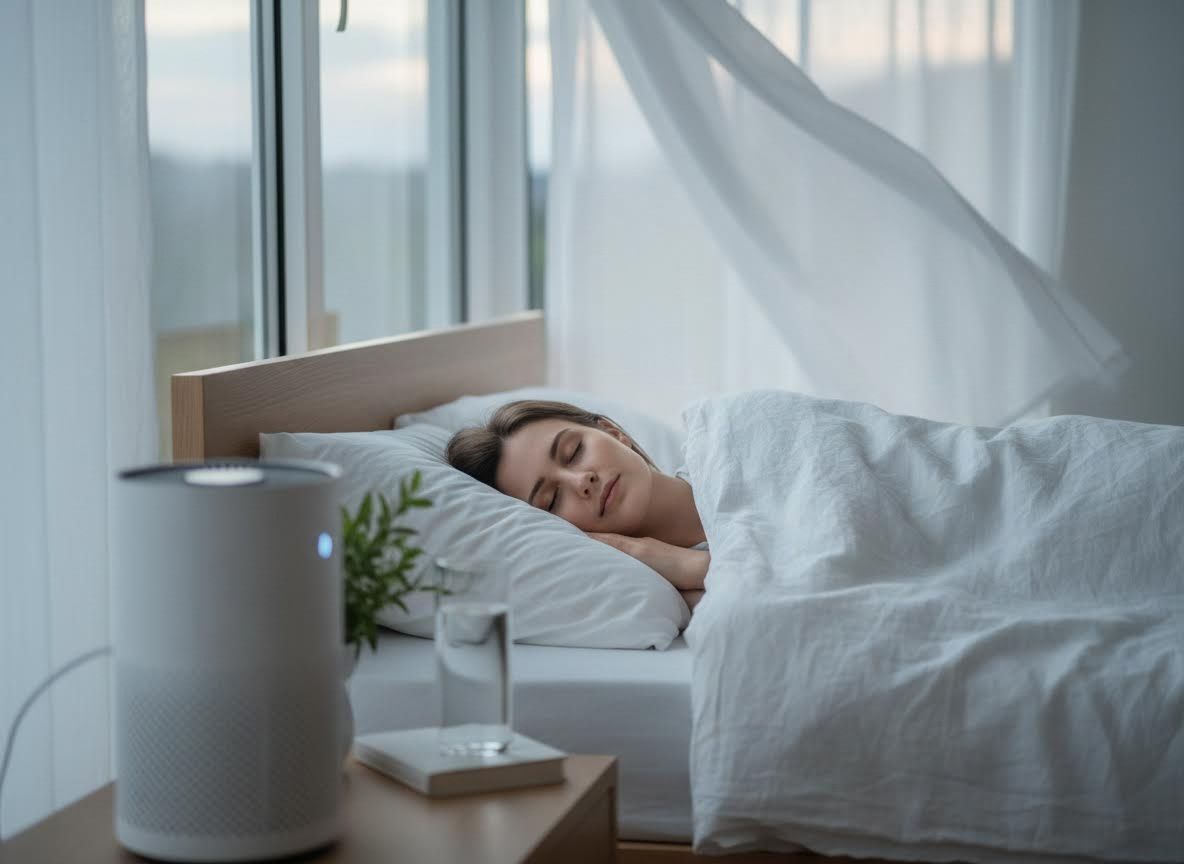
While consistent DIY efforts are beneficial, certain indoor air quality challenges demand expert intervention. For issues like extensive mold growth, hidden moisture problems, or chronically dusty ductwork, consulting a seasoned professional is key. An experienced restoration contractor understands the intricacies of environmental health. A local home restoration company focusing on air quality can perform thorough air duct cleaning, ventilation assessments, and mold inspections, ensuring your home's air is truly conducive to well-being and a good night's sleep.
Prioritizing indoor air quality is an investment in your sleep, health, and overall family well-being. By taking proactive steps and understanding the critical link between the air you breathe and the rest you get, you can transform your home into a haven for healthy living. To learn more about optimizing your home's air for better sleep and overall well-being, contact the team at AirCare Hawaii today.