
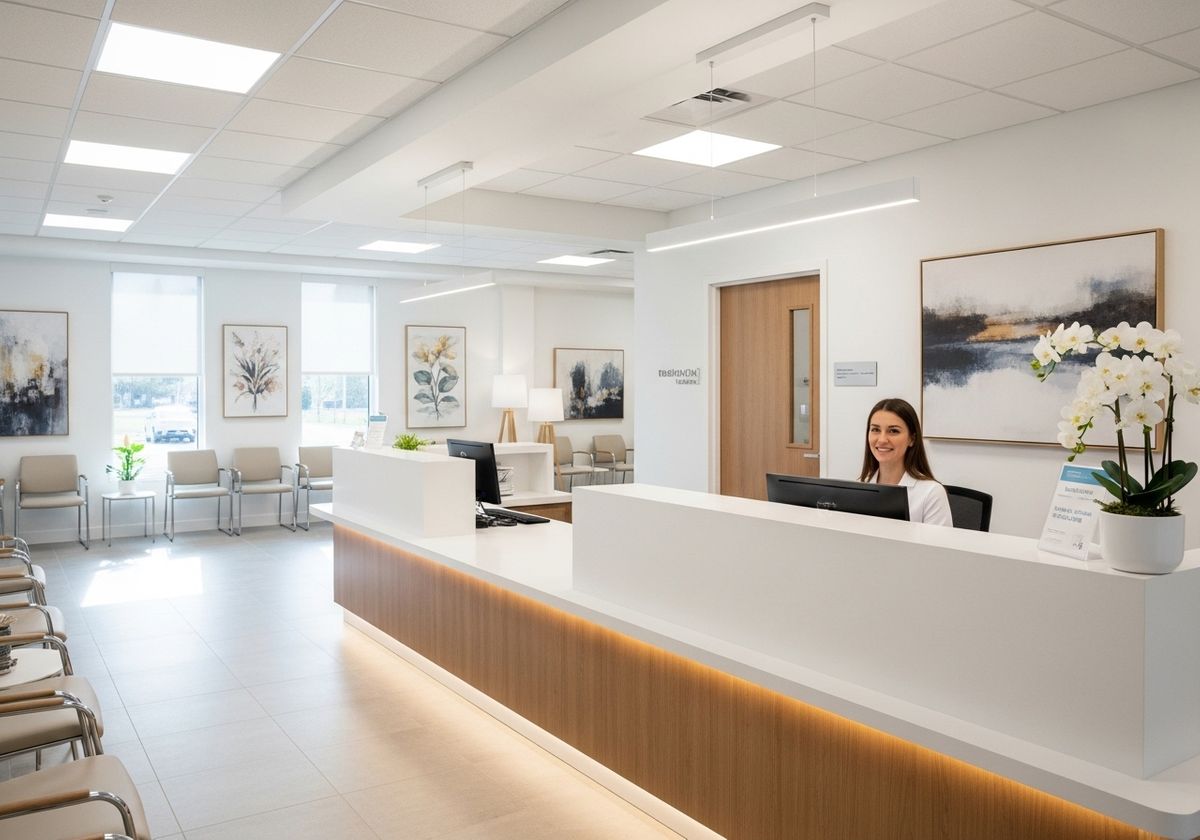
In today's fast-paced business environment, employee health and productivity are paramount to success. While many factors contribute to these elements, one often-overlooked aspect is the quality of the air your employees breathe. Poor indoor air quality can lead to a host of health issues, resulting in increased sick days and decreased productivity. But, by prioritizing clean air, businesses can create a healthier and more efficient workspace.

The Connection Between Air Quality, Health, and Productivity
The air inside our buildings often traps a concentrated mix of pollutants, including dust, mold spores, and volatile organic compounds (VOCs). These contaminants can trigger a taxing range of symptoms such as chronic coughing, headaches, persistent fatigue, and severe sinus irritation. When employees are constantly battling these physical ailments, their ability to focus and perform is significantly compromised. Research consistently shows a direct link between poor indoor air quality and decreased cognitive function, lower energy levels, and increased absenteeism, proving that the health of your air is inseparable from the health of your business.
The Benefits of Prioritizing Air Quality
Prioritizing indoor air quality is a strategic investment that directly enhances a company’s bottom line and workplace culture. By eliminating airborne pollutants and allergens, businesses can significantly reduce the frequency of employee sick days and the severity of workplace illnesses. This healthier environment fosters increased productivity, as comfortable employees maintain higher levels of focus, cognitive function, and energy throughout the day. Also, demonstrating a tangible commitment to air quality boosts overall morale, making staff feel truly valued and protected. Beyond immediate gains, these proactive measures support the long-term health of your team, mitigating the risk of chronic respiratory issues and ensuring a thriving, sustainable work environment for years to come.
Strategies for Improving Indoor Air Quality
There are several steps businesses can take to improve indoor air quality:
Regular Ductwork Cleaning: Over time, air ducts can accumulate dust, debris, and mold. Regular ductwork cleaning removes these contaminants and improves airflow, ensuring that clean air circulates throughout the building.
Implement Mold Remediation: Mold can be a significant source of indoor air pollution. Professional mold remediation services can identify and eliminate mold growth, preventing further contamination.
Assess and Improve Ventilation: Proper ventilation is essential for bringing fresh air into the building and removing stale, polluted air. Ensure that your HVAC system is functioning correctly and that ventilation is adequate for the number of occupants.
Consider Air Purification Systems: Air purifiers can filter out pollutants and allergens, providing an extra layer of protection against poor indoor air quality.
Address Water Restoration Issues Promptly: Water damage can lead to mold growth and other air quality problems. Addressing leaks and water damage quickly can prevent these issues from escalating.

Prioritizing clean air is not just a matter of employee comfort; it's a strategic investment in the health, well-being, and productivity of your workforce. By taking proactive steps to improve indoor air quality, businesses can create a healthier and more efficient work environment.
For over three decades, AirCare Hawaii has been dedicated to Helping People and Businesses of Hawai'i Breathe Easy. As a local restoration company specializing in indoor air quality, we understand the unique challenges that businesses face in maintaining a healthy environment. Our expert team offers comprehensive solutions, including ductwork cleaning, mold remediation, and IAQ assessments, tailored to your specific needs. Contact us today to learn more about how we can help you create a healthier and more productive workspace or to schedule an IAQ assessment. Breathe easier with AirCare Hawaii!