Discovering mold in your home can be unsettling, and it is natural to have questions. At AirCare Hawaii, we believe in empowering our clients with knowledge. Our expertise as a local restoration company allows us to address your concerns with clear, trustworthy advice. Here, we answer some of the most common questions we receive during mold inspections.
What Exactly is Mold, and Why is it Growing in My Home?
Mold is a type of fungus that thrives in moist environments. It reproduces through tiny spores that are always present in the air, both indoors and outdoors. When these spores land on surfaces with sufficient moisture, like from a water leak or high humidity, they begin to grow and multiply. Common household molds include Aspergillus, Penicillium, and Cladosporium. Identifying the specific type of mold usually requires laboratory analysis.
What are the Health Risks Associated with Mold?
Exposure to mold can cause a variety of health issues, particularly for individuals with allergies, asthma, or weakened immune systems. Common symptoms include:
Respiratory problems, such as coughing, wheezing, and shortness of breath
Allergic reactions, like skin rashes, itchy eyes, and a runny nose
Sinus congestion and headaches
Irritation of the eyes, nose, and throat
In more severe cases, prolonged exposure to certain types of mold can lead to more serious health complications. This is why prompt mold remediation is crucial.
How Do I Know if I Need a Mold Inspection?
Determining if your home requires a professional mold inspection starts with identifying key warning signs, such as visible growth on surfaces or a persistent, musty odor. Our team also recommends an inspection following any past water damage or if residents experience unexplained respiratory issues and allergies. Because mold often thrives in dark, damp voids, a professional assessment is essential to uncover hidden colonies behind walls or under flooring that are invisible to the naked eye.
What Does a Professional Mold Inspection Involve?
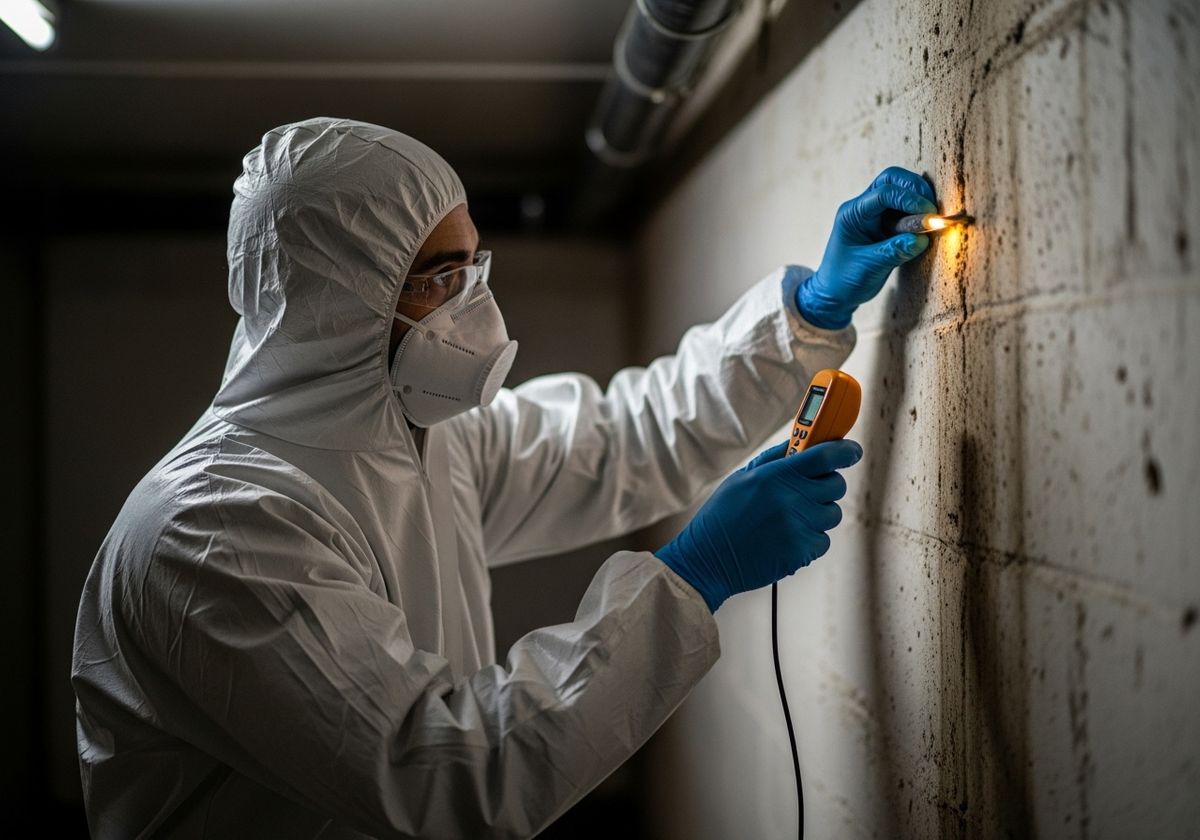
A professional mold inspection typically includes a visual assessment of your property, moisture mapping, and air and surface sampling. Inspectors use specialized equipment to detect moisture and identify potential sources of mold growth. Samples are then sent to a laboratory for analysis to determine the type and concentration of mold present.
Can I Just Clean Up the Mold Myself?
While small areas of mold (less than 10 square feet) can be cleaned with proper precautions, it is generally best to hire a professional mold remediation company for larger or more complex mold problems. Professionals have the training, experience, and equipment to safely and effectively remove mold and prevent its recurrence. Attempting to clean up mold yourself without proper protection can expose you to high concentrations of mold spores, which can be harmful to your health.
What Steps Should I Take After a Mold Inspection?
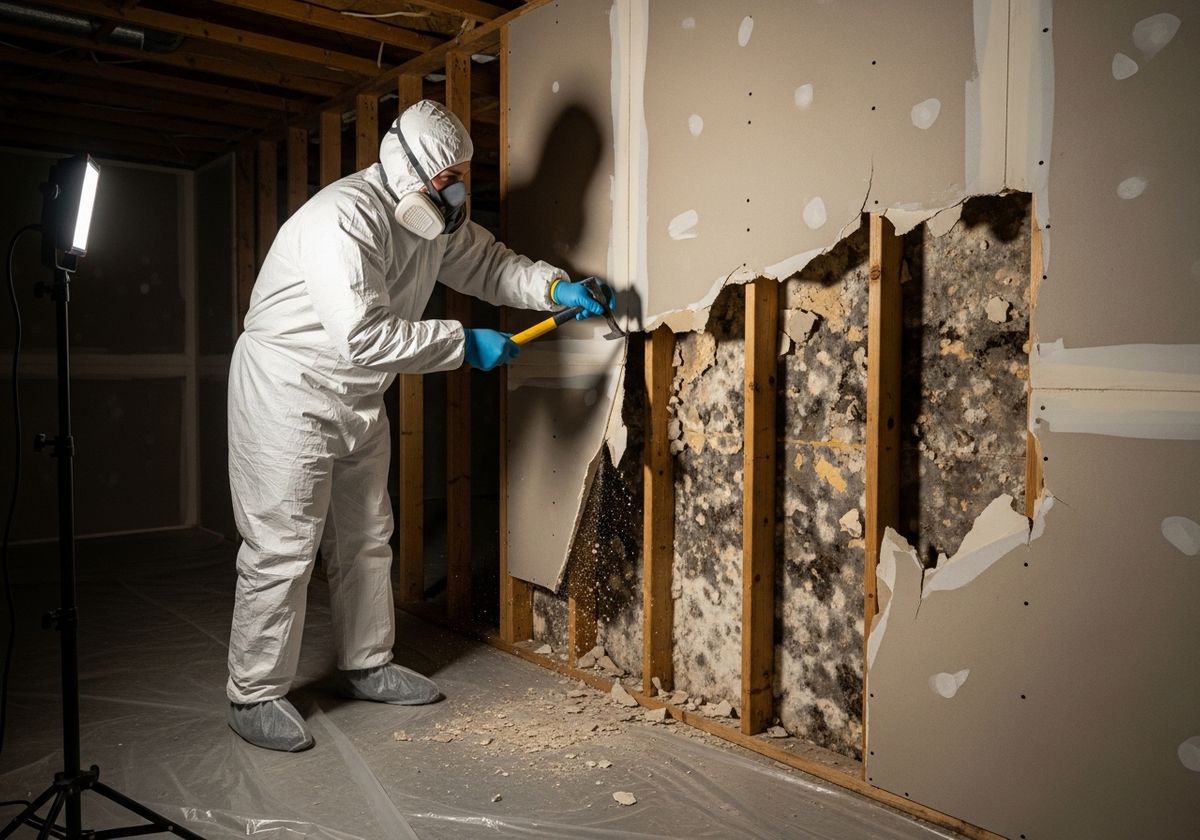
Once a mold inspection confirms an issue, professional remediation is the essential next step to protect your property and health. Air Care Hawaii develops a targeted plan to contain the affected area, safely remove infested materials, and deep-clean all surfaces. Crucially, we address the root cause by drying and dehumidifying the space to prevent future growth, followed by any necessary structural repairs.

Trust AirCare Hawaii for Your Mold Concerns
AirCare Hawaii specializes in comprehensive mold inspection and mold remediation services, focusing on innovative approaches to improve occupant health and safety. Our team leads with integrity, quality, and customer care, providing tailored solutions to exceed your expectations. Contact us today to schedule a mold inspection and breathe easier knowing your home is in good hands.